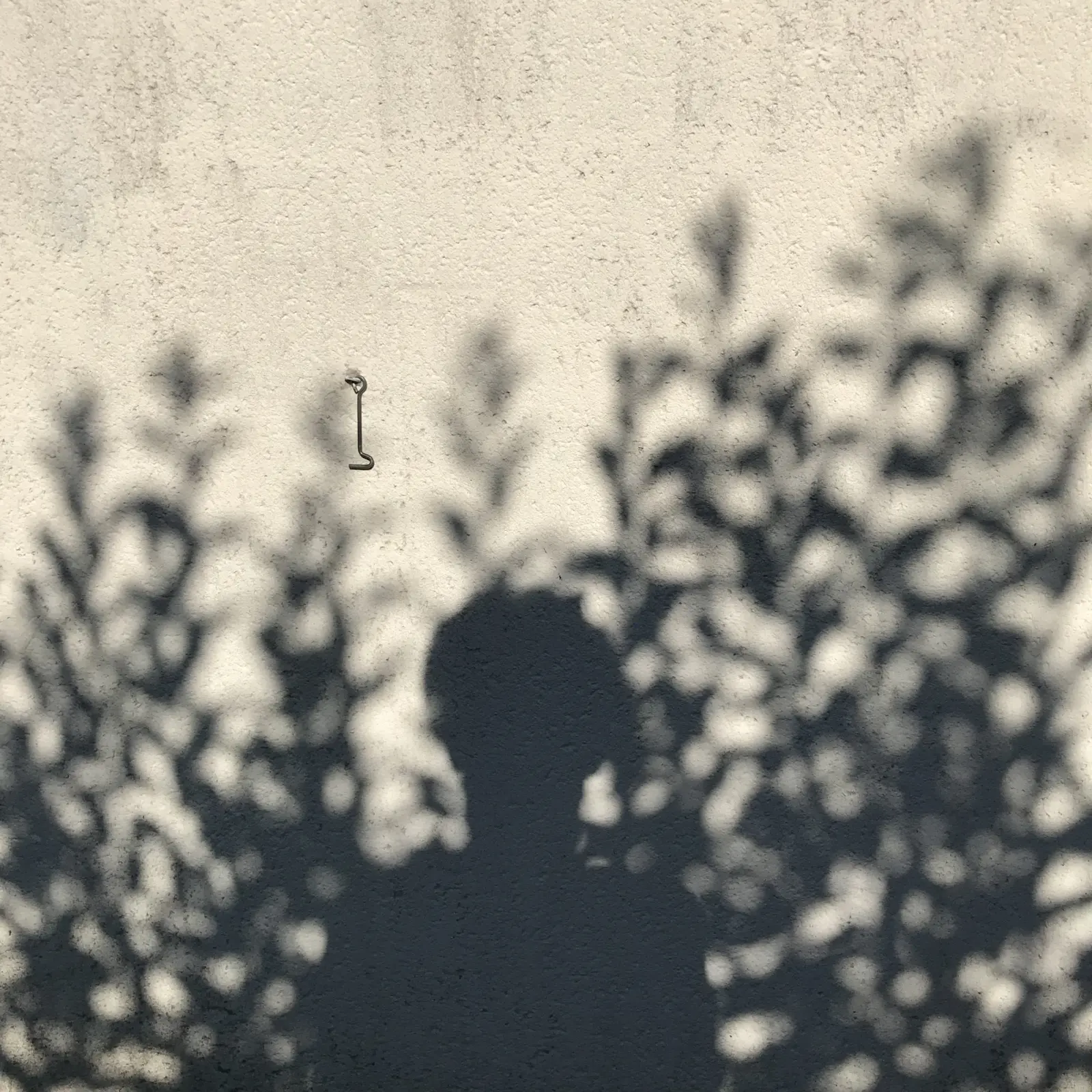
‘Black, the colour of ink on blank paper.’
Whats your favorite colour ?
There is a particular kind of stubbornness required to take a photograph every single day for over a decade. Not the glamorous kind, the sort that makes headlines, but the plodding, unfashionable kind that just keeps going long after anyone is watching. Chris Eley has missed about five days since Christmas 2013, when his wife gave him a camera and, without quite meaning to, set off a project that has never really stopped. “My current adventures started with a camera my wife bought me for Christmas in 2013,” he explains, “and I decided to take, at least, one photo a day.”
He would not call it a project, mind. “I am not sure I have a process,” is his opening line on the subject, before he goes on to describe one in perfect detail. A theme comes first, then the walk, then the camera does its work. For his Instagram series it might be a colour or a shape he keeps noticing. For his poetic travel journals it is the other way round: “I think of the poetic theme for the day then look for the appropriate image.” His Ten Interesting Things pieces “tend to start with the photos followed by the text,” and his mood walks are simpler still, just “wandering with my camera or phone and snapping away, sorting when I get home.” Laid out like that, “it appears that I have something that resembles a process,” he concludes, sounding faintly surprised at himself.
Eley came to photography sideways, the way a lot of people do. Ask him why he counts himself an outsider artist and the answer arrives without ceremony: “After a long career as a scientist, taking advantage of retirement to make art.” Apart from a couple of photography classes in Los Angeles in the 1980s, he is entirely self-taught. Those classes came during a postdoctoral stint at the University of Southern California, where he learned to develop and print black and white film in a darkroom. That was decades before the camera under the Christmas tree. In between there was a life to get on with, and among the turning points he lists is “taking a 30 year sabbatical for life, family, work etc,” which is a generous way of describing what most of us would just call being busy.
Before any of that, though, there was poetry. His first memory of making anything at all is “writing poetry in junior school,” and he picked it up again properly in his early twenties, around the time of a marker he still remembers clearly: performing live for the first time, in a bookshop in Santa Monica. It is the words as much as the pictures that run through his work now. Look at his output and you rarely find one without the other lurking nearby, the photograph doing half the talking and a line of text finishing the sentence.
Swindon is where a good deal of that talking happens. Eley has become something of an unofficial chronicler of the town, drawn particularly to brutalist buildings, flat two-dimensional surfaces, and the kind of quiet decay that most people walk straight past. He knows this puts some noses out of joint: “I think some people think my images of brutalist architecture, flat surfaces, and decaying things are ugly.” His answer to that is unbothered and pretty final. “I am not convinced that everything needs to be beautiful, it is what it is, and it has a place in the stories I try to tell.”
There is a rule he breaks on principle, too. Ask any photography tutor and they will tell you to mind the rule of thirds, that neat little grid meant to keep compositions balanced and pleasing. “I routinely ignore the rule of thirds when taking photos.” Which feels about right for a man more interested in what a picture says than how tidily it behaves.
For years the word artist sat uneasily on him. “As somebody who trained and worked as a scientist, claiming to be an artist was always going to be a challenge.” There is, he adds, an “imposter syndrome that lurks in dark corners.” It has taken some very concrete moments to beat it back: having pieces accepted for the Swindon Fringe, performing at the Swindon Poetry Cafe, starting a Substack where the photographs and the poems finally get to live together properly. As for being counted among the BRUT list’s community of outsider artists, he finds it “bizarrely, a bit of a validation,” and, more simply, “likes the idea of being part of a community.”
“I couldn’t live without my camera.” Simple as that. What keeps him coming back, though, is a slightly wider kit: “my camera and a pen and paper.” He still wonders, now and again, about upgrading, “getting a better camera with fancy lenses etc,” but the discipline of a simple camera suits him too well to bother, and these days he has “also come to love using my iPhone to snap.” Ask him his colour and he does not pick from a palette at all. “Black,” comes the answer, “the colour of ink on blank paper.”
As for advice, he does not dress it up: “Just fucking do it, don’t worry what others think, do what makes you happy with what you have done.”
At the moment Eley is living up to his own word for it, somewhere in the middle of France in a camper van, working on a new poem and photograph travelogue for his Substack. He will be back at the beginning of October, he promises, with a slew of new images and, all being well, a notebook full of words. Given the last twelve years, it would be a braver person than us who bet against him.
Thank you Chris, for becoming a part of our growing community here in swindon of outsider artists and sharing your story.
The Interview
1. What is your first memory of making art? (Was it creating as a child, the first time you called your work art, or the first time you worked with the medium that’s now your core practice?)
‘ Writing poetry in junior school. Started taking photographs seriously in my 20s. Did 2 units of photography while working as a post-doctoral researcher at the University of Southern California in Los Angeles where I learned to develop and print in black and white. My current adventures started with a camera my wife bought me for Christmas in 2013 and I decided to take, at least, one photo a day. I have missed about 5 days since then. ‘
2. Walk us through your process. What does a typical session in your home / studio / workspace look like?
‘ I am not sure I have a process. I decide on a theme for the photographic series I share on Instagram, then I go out and take the photographs. If I am doing poetic travel journals, I think of the poetic theme for the day then look for the appropriate image. Ten Interesting Things tends to start with the photos followed by the text. Mood walks are just wandering with my camera or phone and snapping away, sorting when I get home. So, actually, it appears that I have something that resembles a process. ‘
3. What is the one tool in your making process you couldn’t imagine life without? (That one favourite paintbrush, the palette you’ve used for 40 years, a simple pencil.)
‘ I couldn’t live without my camera. ‘
4. Is there a piece you’ve made that you’d call a turning point in your art? What’s the piece, and what was the turning point?
‘ There have been lots of turning points; starting to write poetry again in my early 20s, performing live for the first time (a bookshop in Santa Monica), learning to develop and print, taking a 30 year sabbatical for life, family, work etc, retiring. But lately, having pieces accepted for the Swindon Fringe, performing at the Swindon Poetry Cafe and starting a Substack. All three helped to beat back the imposter syndrome that lurks in dark corners. As somebody who trained and worked as a scientist, claiming to be an artist was always going to be a challenge.’
5. What materials or tools do you keep coming back to, and why those?
‘ My camera and a pen and paper. I keep wondering about getting a better camera with fancy lenses etc but I like discipline of my simple camera. I have also come to love using my iPhone to snap. ‘
6. What’s something about your work that people usually misread or misunderstand?
‘ I think some people think my images of brutalist architecture, flat surfaces, and decaying things are ugly. I am not convinced that everything needs to be beautiful, it is what it is, aand it has a place in the stories I try to tell.’
7. What does being part of the Brut list / outsider artist community mean to you?
‘ Bizarrely, it feels a bit of a validation. I also like the idea of being part of a community.’
8. What’s a rule about “how art should be made” that you’ve happily ignored over and over ?
‘ I routinely ignore the rule of thirds when taking photos.’
9. What’s your favourite colour?
‘ Black, the colour of ink on blank paper.’
10. If you could give someone a piece of advice about being or becoming an artist, what would that be?
‘ Just fucking do it, don’t worry what others think, do what makes you happy with what you have done. ‘